Midea or GE? Portable Air Conditioners Compared in 2026
As an Amazon Associate we earn from qualifying purchases. Links on this page are affiliate links.
When you compare the midea vs GE portable air conditioner options, you face a choice between smart connectivity and raw cooling power. Both units offer three operating modes, including cooling and dehumidification. The Midea model focuses on app control and voice assistant integration for modern homes. The GE unit provides higher BTU output for larger spaces. You need to decide if smart features or greater cooling capacity matters more for your room size.
Key differences
| Aspect | Midea 10,000 BTU Wi-Fi Portable Air Conditioner | GE 11,000 BTU 3-in-1 Portable Air Conditioner |
|---|---|---|
| Cooling Capacity | 10,000 BTU ASHRAE (7,100 BTU SACC) | 11,000 BTU (7,800 BTU SACC) |
| Coverage Area | Up to 300 sq ft | Up to 450 sq ft |
| Control Type | SmartHome app, Alexa, Google, remote | Digital LED controls, remote |
| Water Management | Not listed | Auto Evaporation Technology |
| Dimensions | 11.6 x 27.8 x 11.5 inches | 15.2 x 24.7 x 14 inches |
Which one should you choose?
Choose Midea 10,000 BTU Wi-Fi Portable Air Conditioner if
- You want to control the unit via a smartphone app or voice assistant
- You are cooling a small room up to 300 square feet
- You prefer a narrower unit that fits tighter spaces
Choose GE 11,000 BTU 3-in-1 Portable Air Conditioner if
- You need to cool a larger room up to 450 square feet
- You want higher cooling capacity for faster temperature reduction
- You prefer auto-evaporation to avoid manual water draining
Verdict: Choose the Midea if smart home integration and compact dimensions are your priority. The GE model is the better choice for larger rooms that require more cooling power and automatic water management. Your decision depends on whether you value connectivity or raw capacity.
Midea vs GE Portable AC Specs
Cooling Capacity
The Midea unit provides 10,000 BTU ASHRAE cooling power. This translates to 7,100 BTU SACC, which is the standard metric for modern efficiency testing. The GE model offers slightly higher raw output at 11,000 BTU ASHRAE, or 7,800 BTU SACC. While the difference is modest, the GE unit holds a technical advantage in maximum heat removal capability. You might notice this if you are cooling a space that is constantly exposed to direct sunlight or heat sources. Both units meet standard residential requirements, but the GE spec sheet indicates a higher ceiling for thermal load management.
Coverage Area
Coverage recommendations differ significantly between these two brands. The Midea portable air conditioner is rated for spaces up to 300 square feet. In contrast, the GE unit is designed to handle rooms up to 450 square feet. This 150-square-foot gap is substantial for open-plan living areas or larger bedrooms. If you need to cool a medium-sized room, the GE specification suggests it will maintain temperature more effectively than the Midea. The Midea is better suited for smaller, confined spaces where its focused airflow can circulate efficiently without overworking the compressor.
Control Type
Control methods define how you interact with the device daily. The Midea model includes Wi-Fi connectivity, allowing you to manage settings via the SmartHome app on iOS or Android. It also supports voice commands through Alexa and Google Assistant. The GE unit relies on traditional digital LED controls and an included remote control. It lacks smart home integration. If you prefer adjusting temperatures from your phone or using voice commands while cooking, the Midea offers modern convenience. For users who want simple, physical button presses without app setup, the GE approach is more straightforward.
Water Management
How each unit handles condensation affects maintenance effort. The GE model features Auto Evaporation Technology. Under most room conditions, it evaporates collected water through the exhaust hose, eliminating the need for manual draining. The Midea data does not mention this feature, implying you may need to check and empty the internal tank periodically depending on humidity levels. For users in high-humidity environments who want to avoid frequent maintenance tasks, the GE specification provides a clear practical advantage. You can leave the unit running without worrying about overflow alerts.
Physical Dimensions
Footprint matters when floor space is limited. The Midea unit measures 11.6 inches in width and 11.5 inches in length. It stands 27.8 inches tall. The GE model is wider at 15.2 inches and deeper at 14 inches, though it is shorter at 24.7 inches tall. The Midea has a narrower profile, making it easier to fit into tighter corners or along walls. The GE is bulkier but shorter, which might be preferable if you have low clearance above the unit. Both units are on casters for mobility, but the Midea’s compact width offers better flexibility for small apartments.
Which portable AC suits your space
Users needing smart home integration
The Midea unit supports Wi-Fi control via the SmartHome app. You can manage settings remotely or use voice commands with Alexa and Google Assistant. This connectivity allows you to schedule cooling and adjust modes without leaving your seat, making it ideal for tech-forward households.
Cooling larger rooms up to 450 sq ft
The GE model delivers 11,000 BTU ASHRAE cooling power, covering areas up to 450 square feet. This higher capacity handles medium rooms more effectively than the smaller Midea option. Its 3-in-1 design includes cooling, fan, and dehumidification modes for versatile climate management in bigger spaces.
Those wanting automatic water management
The GE unit features auto-evaporation technology. Under most conditions, it evaporates collected moisture instead of requiring manual draining. This convenience reduces maintenance effort. The Midea model does not list this feature, so you must check the GE specs if you prefer set-and-forget operation.
The products compared

Midea 10,000 BTU Wi-Fi Portable Air Conditioner
Best for: small rooms under 300 sq ft with smart needs
- Cooling Capacity
- 10,000 BTU ASHRAE (7,100 BTU SACC)
- Coverage Area
- Up to 300 sq ft
- Operating Modes
- Cooling, dehumidification, fan
- Control Type
- SmartHome app, voice, remote
- Features
- Wi-Fi
- Dimensions
- 11.5 × 11.6 × 27.8 inches
View on Amazon: Midea 10,000 BTU Wi-Fi Portable Air Conditioner Affiliate link
This Midea portable air conditioner delivers 10,000 BTU ASHRAE cooling for rooms up to 300 square feet. It measures 27.8 inches tall and weighs 50 pounds. You can control it via the SmartHome app, voice assistants, or the included remote. The unit offers three modes: cooling, dehumidification, and fan only. A washable filter helps maintain air quality. It fits window openings from 26.5 to 48 inches wide.
Pros
- SmartHome app and voice control support
- Includes remote control and LED display
- Washable reusable air filter
- Fits windows 26.5 to 48 inches wide
Cons
- Cools only up to 300 square feet
- No heating function available
- Single hose design
Good fit if
- You need smart app control for a small room
- You want voice assistant integration
- You have a window opening up to 48 inches
Skip if
- You need to cool a space larger than 300 square feet
- You require heating capabilities in winter
- You prefer a unit under 50 pounds
Verdict: Midea 10,000 BTU Portable AC fits users who prioritize smart connectivity and easy installation for small rooms. It is a solid option for spaces under 300 square feet that need app-based management.
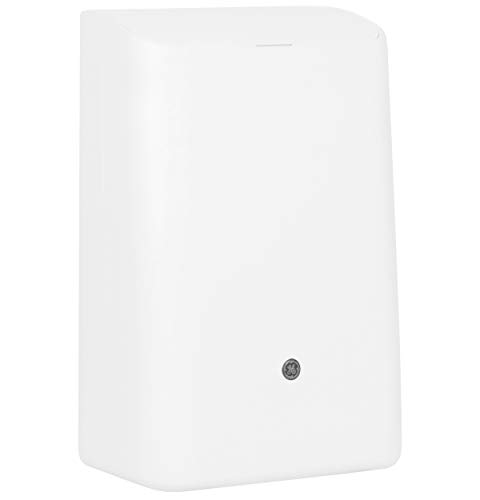
GE 11,000 BTU 3-in-1 Portable Air Conditioner
Best for: medium rooms needing strong cooling and remote control
- Cooling Capacity
- 11,000 BTU (7,800 BTU SACC)
- Coverage Area
- Up to 450 sq ft
- Operating Modes
- 3-in-1 (AC, fan, dehumidify)
- Control Type
- Digital LED controls, remote
- Features
- Auto Evaporation
- Dimensions
- 14 × 15.2 × 24.7 inches
View on Amazon: GE 11,000 BTU 3-in-1 Portable Air Conditioner Affiliate link
The GE APCA11YBMW is a 3-in-1 portable unit delivering 11,000 BTU (7,800 BTU SACC) cooling for rooms up to 450 square feet. It combines air conditioning, two fan speeds, and dehumidifying functions. Auto evaporation technology reduces manual draining. You get digital LED controls with a remote for easy management. The unit includes a washable filter and a 24-hour timer.
Pros
- 11,000 BTU cooling capacity for medium rooms
- Covers areas up to 450 square feet
- Includes remote control and digital LED display
- Auto evaporation minimizes manual water drainage
- 3-in-1 functionality with dehumidifier and fan
Cons
- Heavier at 51.6 pounds than lighter competitors
- Larger footprint at 15.2 inches wide
- No smart app connectivity listed in specs
Good fit if
- You need strong cooling for a 450 sq ft room
- You want a remote for convenient operation
- You prefer auto evaporation to reduce draining
Skip if
- You require smart home app integration
- You need a unit under 50 pounds
- Your room exceeds 450 square feet
Verdict: GE 11,000 BTU Portable AC offers robust cooling for medium spaces with convenient remote control and auto evaporation, making it a solid choice for users prioritizing raw capacity and ease of use over smart features.
Specifications side by side
| Spec | Midea 10,000 BTU Wi-Fi Portable Air Conditioner | GE 11,000 BTU 3-in-1 Portable Air Conditioner |
|---|---|---|
| Cooling Capacity | 10,000 BTU ASHRAE (7,100 BTU SACC) | 11,000 BTU (7,800 BTU SACC) |
| Coverage Area | Up to 300 sq ft | Up to 450 sq ft |
| Operating Modes | Cooling, dehumidification, fan | 3-in-1 (AC, fan, dehumidify) |
| Control Type | SmartHome app, voice, remote | Digital LED controls, remote |
| Features | Wi-Fi | Auto Evaporation |
| Dimensions | 11.5 × 11.6 × 27.8 inches | 14 × 15.2 × 24.7 inches |
| Weight | 50 pounds | 51.6 pounds |
| Size | 10,000 BTU, WIFI | Eco-Friendly |
| Color | White | Eco-Friendly |
| Model | MAP07S1AWT-A | APCA11YBMW |
Frequently asked questions
Which portable AC is better for small rooms under 300 square feet?
The Midea 10,000 BTU model is the better choice for spaces under 300 square feet. It provides adequate cooling capacity for smaller areas while offering Wi-Fi connectivity for app-based management. The GE unit covers up to 450 square feet, which is more than you need for a small room.
Does the Midea portable AC have Wi-Fi capabilities?
Yes, the Midea 10,000 BTU Portable Air Conditioner includes Wi-Fi features. This allows you to control the unit remotely via a smartphone app. The GE model does not list smart connectivity in its specifications, focusing instead on traditional remote control and auto evaporation functions.
Which unit is smaller and lighter to move around?
The Midea unit is slightly more compact in width and length. It measures 11.6 inches wide and weighs 50 pounds. The GE model is wider at 15.2 inches and heavier at 51.6 pounds. Both units are similar in height, but the Midea has a smaller footprint.
Can I use the GE portable AC in dehumidifier mode?
Yes, both units offer dehumidification as one of their three operating modes. The GE 11,000 BTU model includes auto evaporation technology to manage condensate. This feature helps maintain dehumidifier performance without requiring frequent manual draining of the water tank.
Which portable air conditioner has a higher cooling capacity?
The GE 11,000 BTU Portable Air Conditioner has the higher cooling capacity. It delivers 11,000 BTU ASHRAE compared to the Midea’s 10,000 BTU. This extra power makes the GE unit better suited for medium-sized rooms up to 450 square feet that require stronger cooling output.
Is there a remote control included with the GE unit?
The GE 11,000 BTU model is described as having a remote control for convenient operation. The Midea unit emphasizes Wi-Fi and app control instead. Both brands provide ways to adjust settings without getting up, but the GE relies on a physical remote while the Midea uses digital connectivity.